What lawn burn looks like in Hamilton
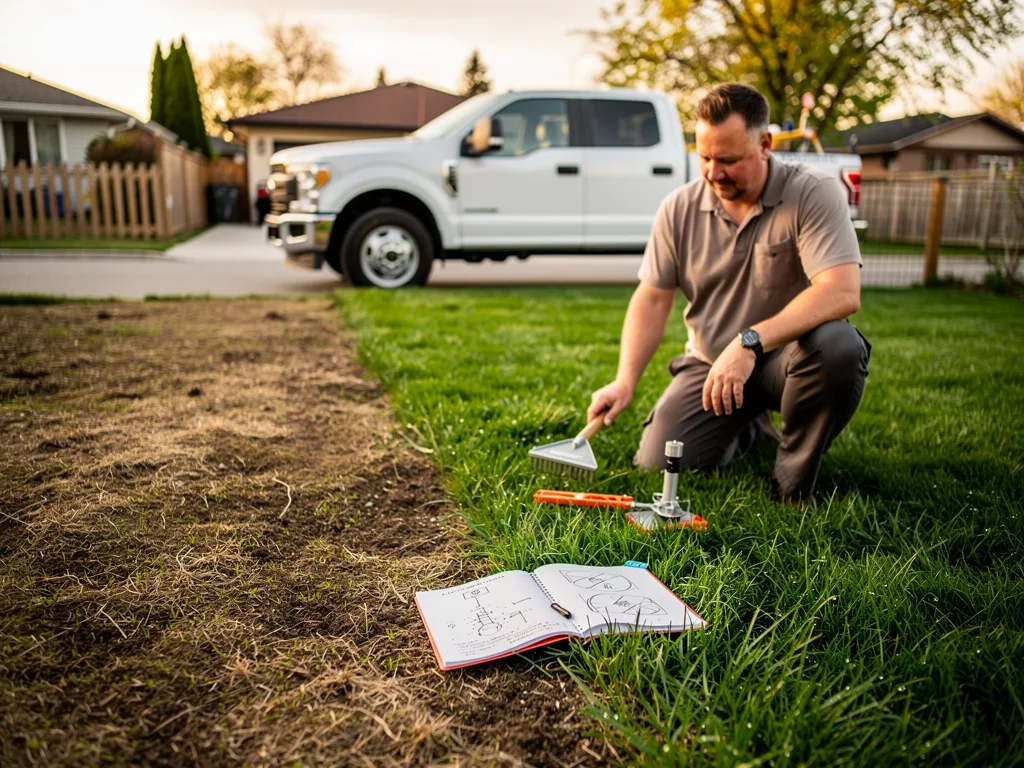
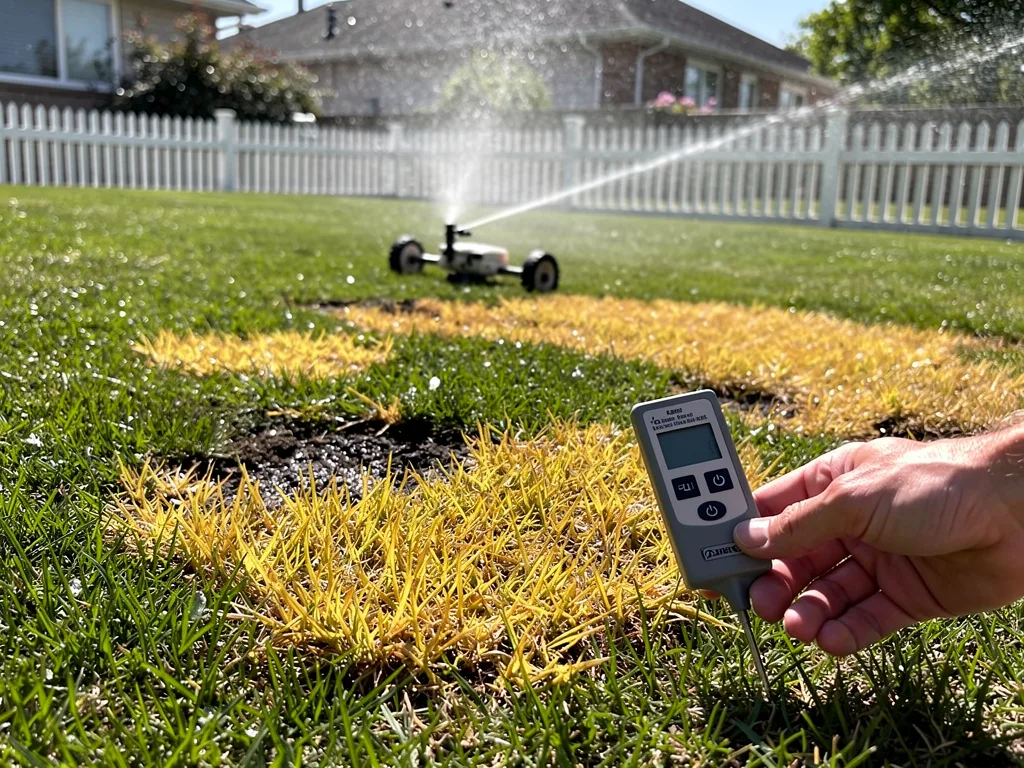
Our team sees a lot of yellowing blades and edges that curl or dry out. In many Hamilton yards, sunscald and heat stress show as bleached patches that stay pale even after a good rain. You might notice uneven color across the lawn, with a few hot spots that look burnt. These signs aren’t a single problem; they often point to a mix of heat, moisture gaps, and soil conditions specific to our local climate.
Another indicator is a stiff, brittle feel underfoot. When the soil gets too dry, the roots pull back and the grass stops taking up water. You’ll see shallow roots and spots that refuse to recover after a typical mowing cycle. Our lawn care specialists watch for these cues and map out the best approach for your Hamilton lawn.
If you’ve got kids playing in the yard or a garden bed on the edge of the turf, stress can spread quickly. The first signs may appear on sunlit slopes or bare patches near driveways where heat collects. Early recognition makes a big difference in recovery time.
Why this happens here in Hamilton
Our city gets hot summers with periodic dry spells. Soil in several Hamilton neighborhoods tends to compact, which makes it harder for water to reach the grassroots. When we combine warm days with limited rainfall, burn signs show up sooner in lawns that aren’t well aerated or fed with the right nutrients.
Edge zones near sidewalks get the most sun and heat. If you mow too short or cut frequently, you stress the blades and push burn signs to appear faster. The root of the issue is usually a combination of heat, water, and soil health, not a single fix.
What you can do now
Give your lawn a light, deep drink early in the morning rather than in the heat of the day. Our lawn care specialists recommend about 1 inch of water per week, with a soak that reaches two to four inches deep. If you’re unsure, a simple test helps: push a screwdriver into the soil near a stressed area. If it takes effort to penetrate, you need more water or better soil structure.
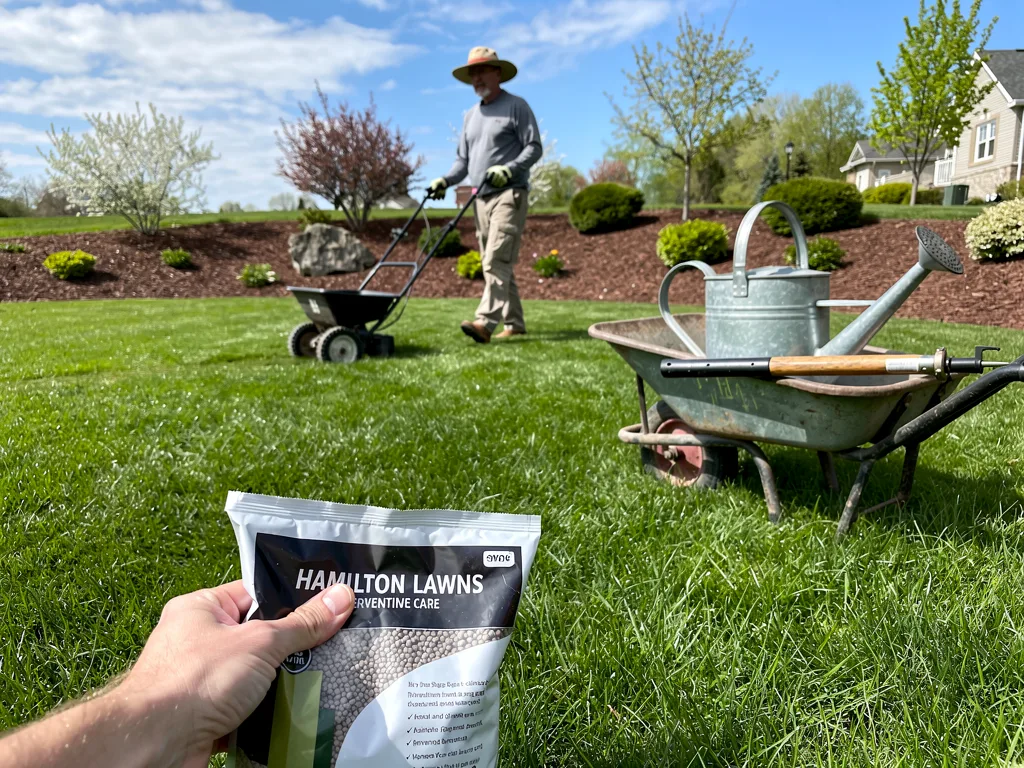
Check your mower height. In Hamilton’s heat, raise the blade to 3.5 to 4 inches for fescue or bluegrass blends. Taller grass shades the roots, reduces water loss, and helps recover from burn. Avoid heavy fertilizer right after a hot spell; wait for greener days, then feed with a balanced mix that supports root growth.
When to call a Hamilton Landscaping Pro lawn care specialist
If burn signs persist after a couple of weeks of adjusted watering, or you see new brown patches appearing faster than you can manage, it’s time to get a pro on the job. Our team can assess soil moisture, aeration needs, and nutrient balance tailored to Hamilton soils. We’ll outline a simple plan for recovery and long term health, with clear steps and honest pricing.